Opt Out Guides
AdDefend Opt Out Guide
Privacy Writer
A. J. MercerAva J. Mercer
Updated
Read
5 min
AdDefend listings can expose your name, address, and phone number, which can raise privacy concerns around personal information and consumer data. The provider uses standard tools to manage ads and may display limited audience and reporting details tied to cookie preferences and website events; see the privacy page for specifics. This guide shows how to opt out, how to make a request, and how to ensure completion. You’ll get quick steps, official link references, and realistic timelines, plus tips on how to browse, choose a device, and make setting changes that might reset choices with minimal hassle.
How to opt out of AdDefend
Go to the privacy policy on the official website and follow the opt-out flow. Processing usually completes within 3–7 days.
Checklist:
- Open the official page
- Click the button
- Save the confirmation email
- Set a reminder to re-opt out
Find out if your private details were exposed

2,865,794 have already used our service
AdDefend – Quick Facts
| Parameter | Value |
| Domain | addefend.com |
| Data Types | contacts, addresses, possible social identifiers |
| Opt-out Methods | web form/email |
| Identity Verification | code via email/SMS or confirmation email |
| Typical Response Time | 3–7 days |
| Re-listing Risk | medium |
The service is an ad-tech provider that helps publishers serve online ads while respecting data choices. Records may come from public sources, commercial agencies, and data collection on a website or app, where systems collect data to measure results, improve function, and support applicable compliance.
Common data you may find:
- Names (and known aliases) and contact details
- Phone numbers and email addresses
- Current and past addresses
- IP address and operating system signals
- Demographic data and interest categories
- Advertising data and profile notes
- Campaign/conversion reporting metadata
- Public links to a website or social pages
- Property or court references (where available)
- Basic browser and server logs
Step-by-Step Guide
Open the official opt-out form
On the website, open the cookie choice page or the privacy portal and choose the control option. If prompted, enable cookies temporarily so the preference can be stored correctly. Review any transparency notice about data, then proceed. Tip: If pop-ups block the page, deactivate extensions briefly and try again. Keep the tab open until you view a success screen, then note the date for your records.
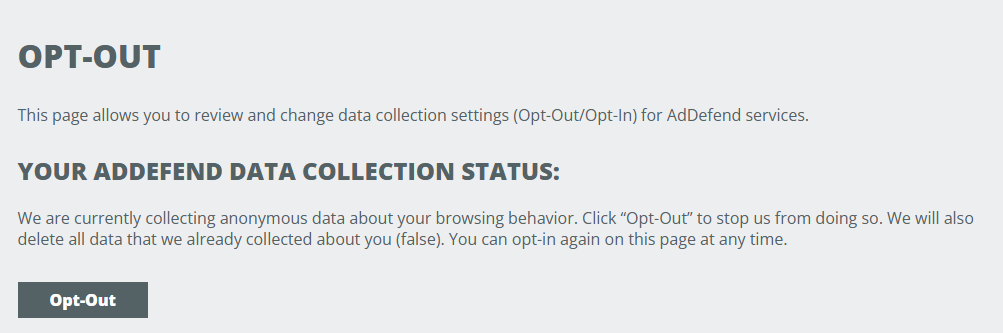
Click the opt-out button
Click the corresponding button to activate your request and confirm your consent. If needed, provide only what’s necessary to match your record; do not upload documents unless asked. If errors occur, try another browser session. This step helps the provider establish the correct profile and route your query to the right category for processing.
Track confirmation & timeline
Most queries are completed in 3–7 days. If nothing changes after 10 days, resubmit once, then contact the privacy channel. Keep screenshots, confirmation numbers, and any link to your ticket. Because cookies can be cleared, repeat the steps when you change your browser or device. If you purchase a new phone or integrate a new app, redo the preference to retain your choice.
Timelines, Verification & What to Expect
Expect an on-page confirmation immediately and an email within minutes or hours. Typical processing is 3–7 days, though partner handoffs can add time. If you receive no response after 10 days, try once more, then use the contact data in the privacy policy. Some systems process data in the background and update logs later, so keep your receipts. Your goal is to maintain consistent personal data protection across each browser and application you use.
Edge Cases & Troubleshooting
- No access to original email/phone: use a current address and note the changes.
- “Record not found”: try the exact email/phone used previously; if still missing, contact the privacy channel.
- CAPTCHA/submission errors: reload, switch browsers, or disable extensions, then try again.
- Verification code not arriving: wait a few minutes, resend once, then try another inbox.
- Region limits (EU/UK/CA): follow the regional path in the policy and state the residence.
- Account deletion vs. public listing: close the account and also send a separate privacy query.
- Re-submitting: wait 24 hours, then try again and keep proof.
Will my data reappear?
Re-listing can happen when the partner feeds refresh or when systems transfer settings between services. Some brokers and data brokers syndicate consumer data to multiple partners, so your preference may not propagate instantly. Reduce recurrence by saving confirmations, putting a 3–6 month reminder, and repeating the procedure after major updates. If you see your details again, act quickly—resubmit, reference your prior ticket, and monitor changes. This ongoing approach improves transparency and helps your data preferences persist over time.
Related removals
- Tisoomi
- AddApptr
- Adcombi
- AdElement
- AdColony
- Adelaide Metrics
Manual vs Assisted Removal
Manual:
- Pros: full control of each data step, no fees, and you decide when to opt in and monitor.
- Cons: time investment, recurring checks, and you must manage resets.
Assisted:
- Pros: faster execution, verification handling, tracking dashboard, and recurring scans.
- Cons: subscription cost and limited access for status checks.
“Excellent”
We remove your data for you - faster, verified, trackable.
Discover Which Sites Share Your Private Details—Instantly and Free.
2,865,794 have already used our service
FAQ
Receive expert privacy advice by email - 1-2 times per month, no fluff.
Share Article

Posted by Ava J. Mercer
Ava J. Mercer is a privacy writer at ClearNym focused on data privacy, data broker exposure, and practical privacy tips. Her opt-out guides are built on manual verification: Ava re-tests broker opt-out processes on live sites, confirms requirements and confirmation outcomes, and updates guidance when something changes. She writes with a simple goal - help readers take the next right step to reduce unwanted exposure and feel more in control of their personal data.
76 Articles